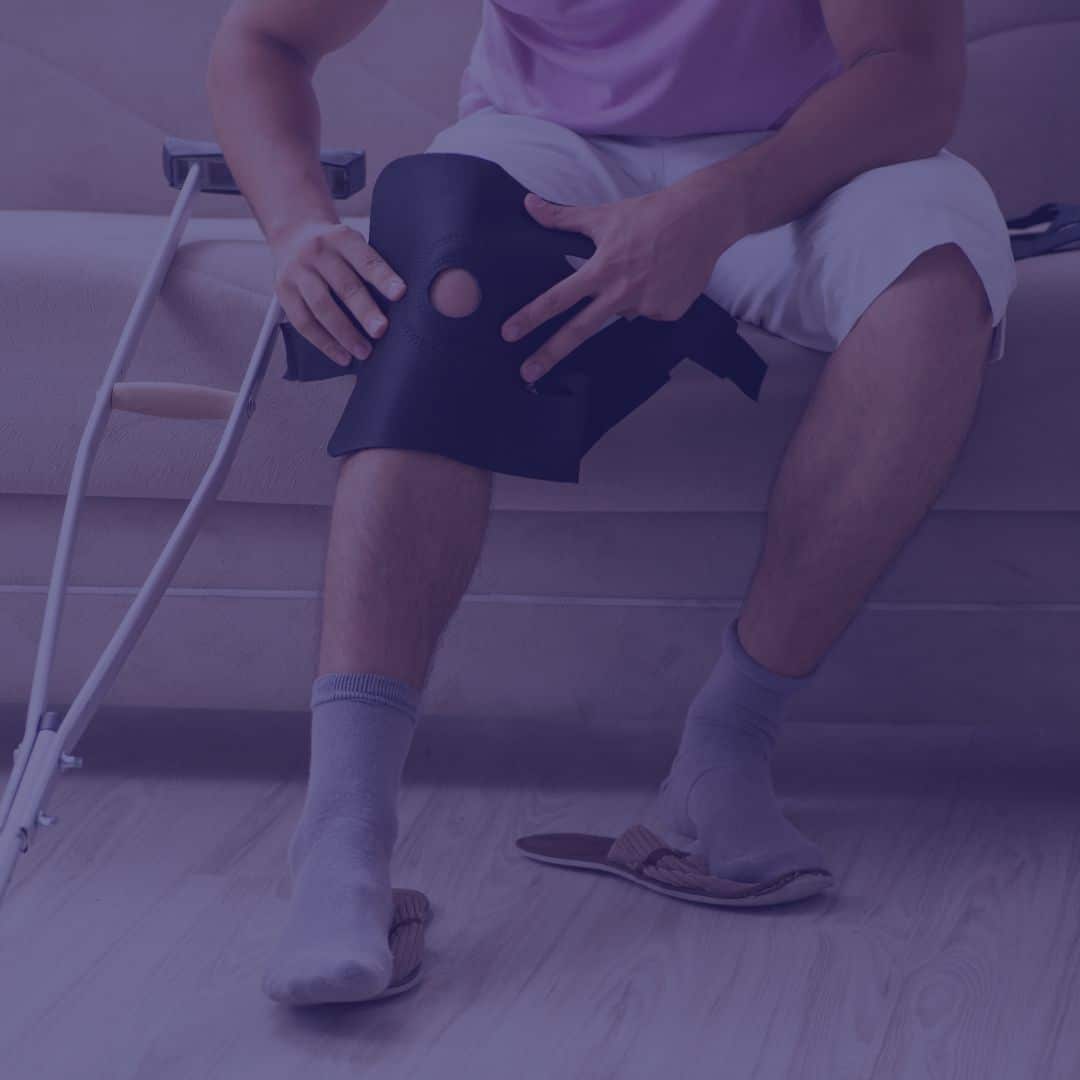
For most athletes, coming back from an injury is all about the body. Rest, rehab, strength work, and strategically returning to competition. But here’s the thing: your mind is on that journey too. And if you only focus on the physical side, you might find yourself cleared to play but still not feeling ready to go 100%.
The reality is, this mental side of recovery has a huge impact on whether athletes make it back. Nearly half of injured athletes never return to their previous level of play, and for elite athletes, about one in five don’t reach their old performance level again.
Below, we’ll dig into why rehabbing your mental game is just as important as rehabbing your physical one. Here’s what you need to know.
The Physical Healing Process: Only Half the Story
When you get injured, the first focus is naturally on the physical side. Doctors, athletic trainers, and physical therapists guide you through a plan that might include surgery, regaining strength, and sport-specific drills. These steps are essential for getting your body back to competition shape.
But here’s where many athletes hit a wall: physical recovery doesn’t automatically mean you’re ready to perform at your best. You can be fully cleared by your doctor, and have great numbers in the athletic training room, and still feel hesitant, worried, or disconnected. That’s because injury isn’t just something your body goes through. It’s something your mind experiences, too.
Without addressing the mental side, the physical healing process can feel incomplete. You might find yourself holding back in certain movements, second-guessing your body, or avoiding situations that remind you of how you got hurt. These hesitations are about trust, confidence, and mental readiness.
In other words, the physical process is only half the story. The other half, the mental recovery, is what ensures all that hard physical work translates into peak performance when you return to your sport.
The Mental Side of Injury Recovery
Healing from an injury is all about what’s happening in your muscles, bones, and mind. The mental side of recovery is often the difference between simply returning to your sport and truly returning to form.
Motivation and Commitment to Rehab
The rehab process can be long, repetitive, and at times discouraging. Staying motivated isn’t always easy, especially when progress feels slow. That’s why mental buy-in is critical. Understanding why each stage of rehab matters (and your reasons for going through them) helps you stay consistent and engaged even on tough days.
Trust and Confidence in Your Body
One of the biggest mental hurdles is believing your body can perform again without breaking down. Even after your physical therapist or doctor says you’re cleared, lingering doubt can hold you back. True mental recovery means rebuilding that trust so you can move, cut, jump, or throw without hesitation, knowing your body can handle it and that you’ve put in the work to prepare for those moments.
Managing Fear of Re-Injury
It’s natural to feel nervous about putting yourself in the same position you were in when you first got hurt. But if that fear isn’t managed properly, it can limit performance and increase the risk of compensating with awkward, inefficient movements. Learning to acknowledge that risk without letting it dominate your thinking is a key step in mental rehab.
Handling Stress and External Pressures
Beyond the physical and technical concerns, injured athletes often deal with worries about playing time, their role on the team, or how coaches will view them when they return. These pressures can add to anxiety and affect decision-making in the heat of the moment. Developing tools to manage stress can help athletes focus on performing instead of overthinking.
Just as the body needs strength and conditioning before returning to competition, the mind needs its own kind of training. Addressing motivation, confidence, fear, and stress gives athletes the mental resilience they need to step back into competition with clarity and belief in their abilities.
The Statistics That Show the Challenge
The numbers tell a clear story, and they highlight just how difficult it is to make a full return after a significant injury. As we mentioned before, research suggests that nearly half of all athletes who sustain an injury serious enough to require extended rehab never make it back to their previous level of sport participation or performance.
For elite athletes, the odds improve, but not by as much as you might think. Even at the highest levels of competition, roughly one in five athletes never return to their pre-injury performance level. That means for every five elite athletes sidelined by injury, one won’t get back to the same standard of performance they once competed at.
These statistics point to the mental barriers that can linger long after the body has healed. Fear of re-injury, loss of confidence, and anxiety about performance can all affect an athlete’s ability to return at full strength.
Understanding these numbers is important because they reinforce a simple but powerful truth: physical rehab alone isn’t enough. To improve the odds of a successful comeback, athletes need a plan that supports both their physical and mental recovery.
Long-Term Benefits of Addressing the Mental Game
When the mental side of recovery is given the same attention as the physical side, the benefits reach far beyond the moment an athlete is cleared to play. Athletes return not just physically prepared, but mentally equipped to handle the demands of competition and any future setbacks.
Reduced Fear of Re-Injury
Working through anxieties during rehab helps athletes be less likely to play tentatively or avoid certain movements. This confidence allows them to perform with the same freedom and intensity they had before the injury.
Better Performance Under Pressure
Mental skills like focus, self-talk, and composure under stress don’t just help during rehab—they carry over into competition. Athletes who develop these tools during recovery often return sharper and more resilient in high-stakes situations.
Stronger Overall Resilience
Overcoming the physical and mental hurdles of injury builds a deeper level of mental toughness. This resilience benefits athletes not only in sport but in life, giving them strategies to adapt and persevere in the face of future obstacles.
Higher Return-to-Play Success Rates
Addressing confidence, motivation, and trust in the body increases the chances of returning to the same (or higher) level of performance. For many athletes, this can be the deciding factor in turning a simple comeback into a full return to form.
Your Comeback Starts Here
Getting the body back to full strength is, of course, a key part of recovering from injury. But it’s also about rebuilding the mind to match your physical recovery. Addressing fears and regaining trust in the body is just as critical as completing your rehab (and strength and conditioning) exercises.
If you or your athletes are working through the injury recovery process, don’t overlook the mental side. At White House Sport Psychology, we specialize in helping athletes rebuild their confidence and prepare mentally for a successful return to sport. Contact us today to learn how we can support your return (body and mind), so you can get back to doing what you love and performing at the level you know you are capable of.