
Our guest writer, Jonathan Carone, is the founder of the Healthy Sports Parents podcast, a platform dedicated to helping parents support their kids in sports with perspective and purpose. With a background in sport management, coaching, and youth ministry, Jonathan blends personal experience and expert insights to promote healthy athletic journeys for families.
Five Myths of a “Good” Sports Parent
By Jonathan Carone
There’s no shortage of “experts” online telling you how to raise an athlete.
From retired pros to Uncle Ricos who almost made it to everyday parents trying to help the next generation, everyone has an opinion.
But no one talks about how to be a good parent through the journey.
They tell us what we should do for our kids, but never how to support them along that journey.
Here’s what I believe to be true:
Most parents want to do better. The fact you’re reading this article shows you want to do better.
But no one taught us how.
Naturally, in the wake of information, we default to the loudest voices. And the loudest voices are usually the ones preying on your insecurities to sell you something – a club team, private lessons, the college scholarship.
That’s how we end up believing myths about what a “good sports parent” actually looks like.
Here are five of the biggest myths we get told and the truth behind each of them.
Myth 1: A good sports parent never lets their kid fail.
Failure hurts. There’s no way around it. It has always hurt. It will always hurt.
It’s even worse when it’s our kids struggling, making the mistake, and experiencing the hard emotions that come with failing. As parents, everything inside of us wants to step in and take away those emotions. Or at the very least soften the blow.
But kids need to fail.
They need to lose. They need the chance to make a mistake, feel the consequences, and figure out how to move forward.
When we jump in and save our kids from failing, we rob them of the opportunity to build their resilience muscles. Even worse than that, we accidentally send the unspoken message: You can’t do this on your own.
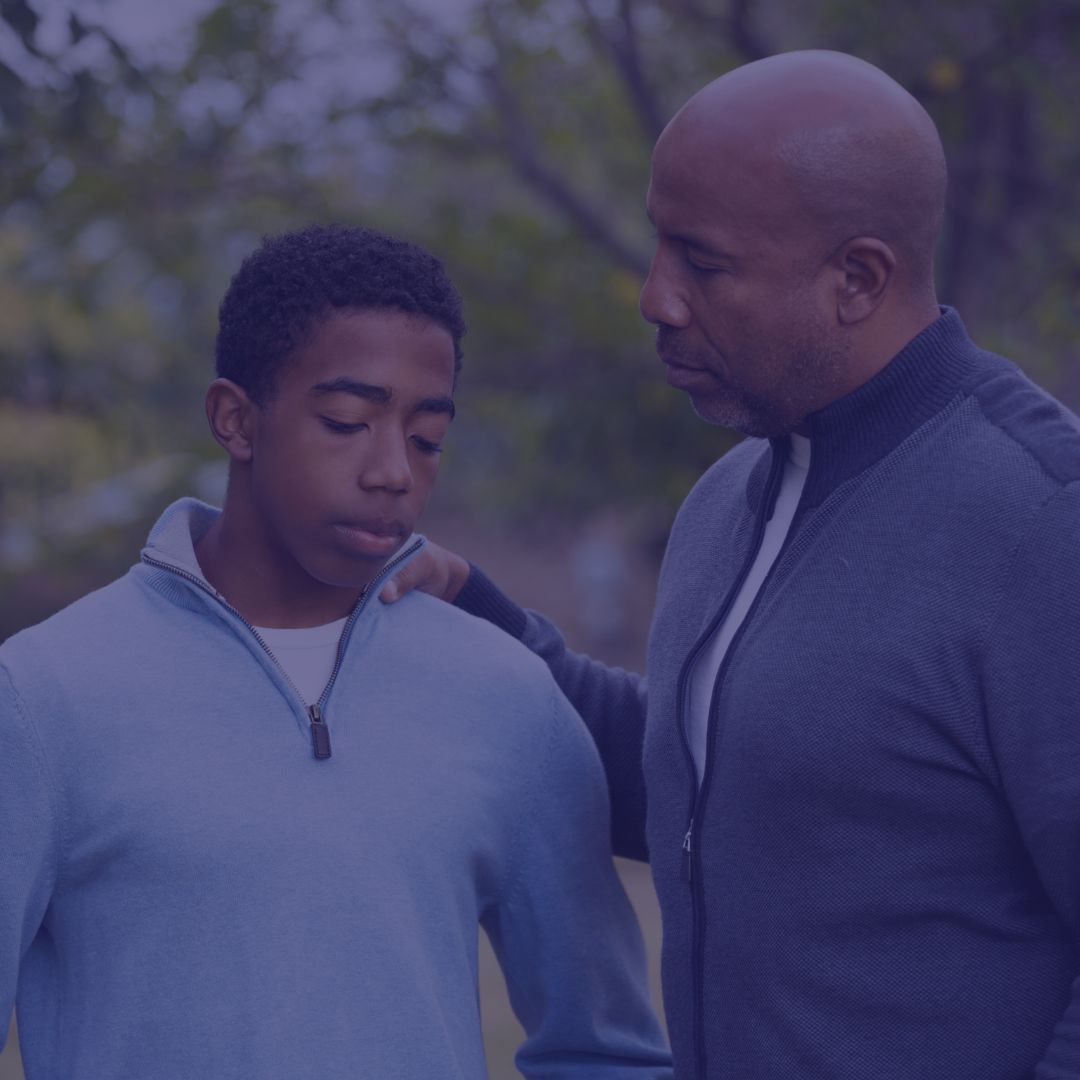
Instead of helping them avoid failure, be the safe place they can land when they fail. Let them feel what they need to feel and help them understand that it is OK to experience difficult emotions. Listen to them. Empathize with them. Then help them get up and try again.
That’s how they grow.
Good sports parents don’t eliminate failure, they lead their kids through it.
Myth 2: A good sports parent always knows what to say.
We’re the adult in the relationship. It’s natural – and normal – to feel like we have to be the one leading the conversation.
Whether it’s teaching our kids how to improve or encouraging them when they feel down, we feel we have to start the conversation and take it where it needs to go.
But we don’t.
Good sports parents listen more than they talk. They ask questions. They create space for kids to process their emotions.
Our kids don’t need postgame speeches. They already got that from their coach.
They don’t need a breakdown of what went wrong or a lesson disguised as encouragement.
They just need to know you’re with them. That you’re their biggest fan no matter what.
So don’t feel the pressure to lead the conversation or know what to say.
Just show them you care and give them the freedom to say whatever they need to say.
Myth 3: A good sports parent pushes for more.
More isn’t always better.
In youth sports, it’s often the thing that makes our kid want to quit.
Yes – extra reps can help your kid get ahead. But if the push for those extra reps comes from us and not them, we risk burnout, injury, and worse, resentment.
Our goal isn’t to create our kid’s passion. It’s to support it.
If they’re not the ones asking for the training, we have to ask ourselves if they’re still playing because they want to play or because they know we want them to play.
The best athletes are the ones who are internally motivated. They do the hard things because they know it’s what is needed to reach their goals.
Show your kid the way. Model the work ethic. But don’t drag them down a path they’re not ready to walk.
Our kids need to experience the consequence of not putting in the work. If other kids start getting better than them and they still don’t want to train harder, that’s not a character flaw. It just might mean their desires are changing.
A good sports parent doesn’t force more.
They pay attention. They support. And they let their kid lead.
Myth 4: A good sports parent makes sure their kid has the best.
We all want our kids to have every opportunity to succeed. Whether it’s being on the best team, the best private lessons, or the best gear, we feel like it’s our job to give them what’s best.
(Side note: who defines best anyway?)
The problem is we start chasing what others define is best, not what is actually best for our kid.
If we follow the path they’ve defined – if we keep up with what their kids are doing – then maybe it means we’re doing it right too.
But what if what’s best for our kid is to get more playing time on a team that isn’t quite as elite?
What if the new flashy bat isn’t the answer and what she really needs is to keep using that old cringy one while she learns how to hit?
Good sports parents focus on what their kid actually needs, not what will make others think we’re doing the most.
You’re not defined by how much you provide.
You’re defined by the space and support you give your kid to grow.
Myth 5: A good sports parent puts their life on hold for their kid’s sports.
This one’s sneaky. It shows up in small ways – skipping meals, canceling plans, never taking a weekend off.
And while sacrifice is a part of parenting, martyrdom isn’t the goal.
You matter outside of your kid’s schedule. Your health still matters. Your friendships, marriage, and hobbies – they still matter too.
Yes – this season with your kids is short, and we want to support them as much as we can.
But modeling balance might be one of the healthiest things you ever teach them.
They matter, yes.
But we do, too.
We are a family – and being a family requires us all to support each other.
Good sports parents are willing to sacrifice. But they also teach their kids that the entire world doesn’t revolve around their schedule, goals, or desires. That’s how we raise kids who are great teammates, not self-centered divas.
The truth: A good sports parent leads with presence, not pressure.
At the end of the day, our kids don’t need us to be perfect. They don’t need a highlight reel of pep talks or a mortgage worth of gear.
They just need us to show up and care more about who they are than how they play.
That’s what makes a great sports parent.
Not the wins.
Not the gear.
Not the scholarship.
Just a mom or dad who leads with love, grows alongside them, and chooses relationship over results.
One day, they will play their last game.
And you’ll still be their parent.
That relationship will be what defines you as a sports parent.