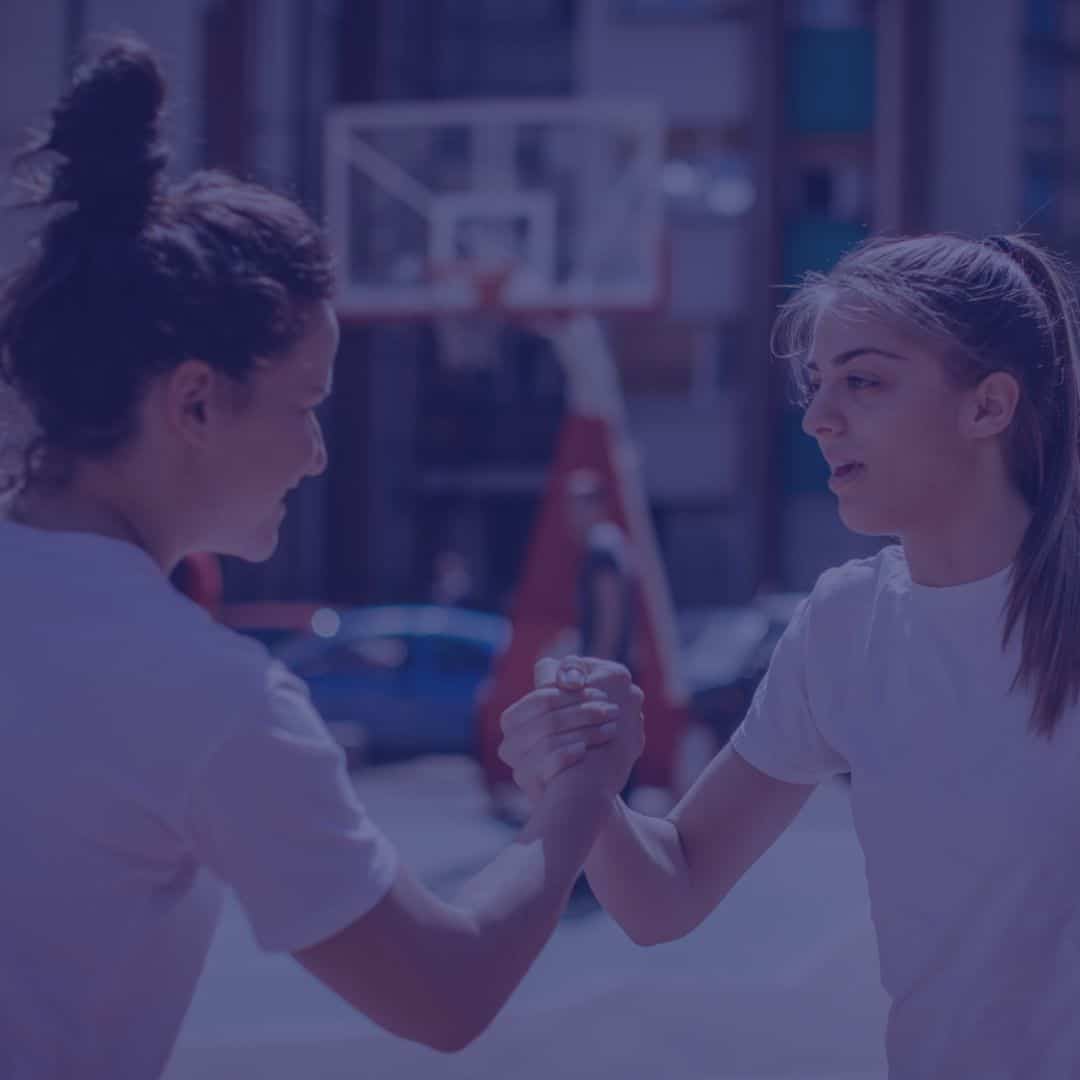
What Athletes, Parents, and Coaches Should Know About AI, Human Connection, and Long-Term Wellbeing
Technology has transformed nearly every aspect of sport.
Athletes can track performance metrics, monitor recovery, review video instantly, and access training resources from virtually anywhere. More recently, many athletes have begun using artificial intelligence (AI) tools and chatbots for different parts of everyday life.
When used correctly and for the right reasons, there is nothing inherently wrong with these tools. In fact, many can be incredibly helpful.
However, as AI becomes increasingly integrated into daily life, it is important to remember something that technology cannot replace:
Human connection.
For athletes, coaches, and parents, maintaining meaningful relationships and real-world communication remains one of the most important factors in both performance and wellbeing.
Sport Has Always Been About Relationships
When athletes reflect on the experiences that shaped them most, they rarely talk about technology.
Instead, they often remember:
- A coach who believed in them
- A mentor who challenged them to grow
- A teammate who stood beside them during adversity
- A parent who listened when things became difficult
- A conversation that changed their perspective
Sport is much more than physical development. It is also one of the primary environments where people learn:
- Communication
- Leadership
- Trust
- Accountability
- Teamwork
- Resilience
- Belonging
These lessons are learned through relationships and shared experiences, not through algorithms.
The connections athletes develop with coaches, teammates, and mentors frequently become some of the most meaningful and influential relationships in their lives.
Why AI Feels So Appealing
One reason AI tools have gained popularity is simple: they are convenient.
They are available at any hour. They respond immediately. They never appear distracted, busy, or unavailable.
For someone experiencing stress, loneliness, frustration, or uncertainty, that accessibility can feel comforting.
But convenience and wellbeing are not the same thing.
Many of the experiences that contribute most to psychological growth require effort which comes from:
- Asking for help
- Building friendships
- Maintaining relationships
- Working through disagreements
- Giving and receiving feedback
- Being vulnerable with others
These experiences are not always easy, but they are often where the greatest growth occurs.
Temporary Relief Versus Lasting Wellbeing
Human beings naturally seek relief from discomfort.
When we feel anxious, lonely, disappointed, stressed, or overwhelmed, it is normal to want those feelings to go away. Often, we turn to sources of temporary escape such as doom scrolling, binge watching, excessive gaming, withdrawing from others, or other distractions that help us avoid uncomfortable emotions for a while.
The problem is not that these activities provide relief. The problem is that the source of our discomfort is often still there when the distraction ends.
Temporary relief and long-term wellbeing are not the same thing.
Many coping strategies can make us feel better in the moment without helping us move toward the things that truly support our mental health and wellbeing. In some cases, they can even pull us further away from them.
Meaningful relationships, difficult conversations, vulnerability, and genuine connection often require more effort than a quick distraction. Yet these are frequently the experiences that help us grow, heal, and develop resilience over time.
This distinction is important when considering the role of AI. A conversation with a chatbot may provide comfort, distraction, or a temporary sense of relief. However, it cannot fully replace the benefits that come from authentic relationships, shared experiences, and meaningful engagement with the people around us.
Many unhealthy coping patterns follow a similar cycle:
- An uncomfortable feeling emerges.
- A behavior provides immediate relief.
- The underlying need remains unresolved.
- The person increasingly relies on the behavior for comfort.
The concern is not the activity itself. The concern is when temporary relief begins replacing the deeper experiences that promote growth, connection, and wellbeing.
The same principle can apply to AI interactions.
A conversation with a chatbot may temporarily reduce feelings of loneliness or boredom. However, it cannot fully replace the benefits that come from authentic relationships, shared experiences, and genuine human support.
What Current Research Suggests About AI and Social Connection
Researchers are beginning to examine how AI companionship affects human wellbeing.
Several recent studies have found that greater reliance on AI companions and chatbots may be associated with:
- Increased loneliness
- Greater emotional dependence on AI
- Reduced real-world social interaction
- Stronger preferences for digital communication over face-to-face relationships
While this area of research is still developing, the findings highlight an important consideration:
Reliance on AI could unintentionally reduce engagement in the very relationships that help people feel connected in the first place.
For athletes, this distinction is especially important.
Athletic development is not simply about gathering information. It is also about learning how to:
- Build trust
- Lead others
- Navigate conflict
- Work within a team
- Communicate effectively
- Develop meaningful relationships
These skills are developed through interaction with people—not technology.
Keeping the Big Picture in Mind
The goal is not to reject technology.
AI can be an effective tool for creating content, organizing information, analyzing data, working efficiently, and more.
The question is whether technology is helping us engage more fully with life or helping us avoid parts of life that are important.
The healthiest approach may be to use AI as a tool that enhances life rather than replaces parts of it. Technology can help athletes gather, analyze, and strategize, but lasting wellbeing is built through meaningful experiences, authentic relationships, and engagement with the people and communities around us. AI can support that journey, but it cannot take the place of it.
We encourage you to continue investing in the experiences that have always supported human growth:
- Face-to-face conversations
- Meaningful relationships
- Shared experiences
- Team connection
- Community
- Mentorship
- Guidance
These are the foundations of both wellbeing and performance.
What This Means for Athletes, Parents, and Coaches
As AI continues to become a larger part of everyday life, athletes should be encouraged to ask an important question:
“Is this helping me connect more deeply with life, or helping me avoid parts of life that matter?”
The strongest predictors of long-term wellbeing have not changed:
- Supportive relationships
- Strong social connections
- A sense of belonging
- Purpose and meaning
- Opportunities for growth
- Healthy communication
Simply put, technology cannot replace these things.
Final Thoughts: Relationships Remain One of the Greatest Performance Enhancers
Many of the most meaningful lessons in sport are learned through relationships.
They emerge through conversations with coaches, shared experiences with teammates, guidance from mentors, and interactions that challenge us to see ourselves and the world differently. Some of these moments are encouraging and inspiring. Others are uncomfortable, difficult, or even disappointing.
Yet it is often through these experiences that athletes learn, grow, and develop the skills needed to navigate both sport and life.
As technology continues to advance, it is important to remember that personal growth is rarely the product of convenience alone. Growth often occurs through connection, challenge, and engagement with the people around us.
AI may provide information, support, and efficiency, but it cannot fully replicate the depth and richness of genuine human relationships. For athletes pursuing both performance and wellbeing, those relationships remain one of the most valuable resources they have.
Schedule a call today to learn how White House Sport Psychology can help athletes, coaches, and teams develop the mental skills necessary for meaningful connections and relationships that lead to lasting performance, wellbeing, and personal growth.