Part 1: Officiating in the 2026 World Cup and its Impact on Athlete Performance
Reacting to “Bad Calls”
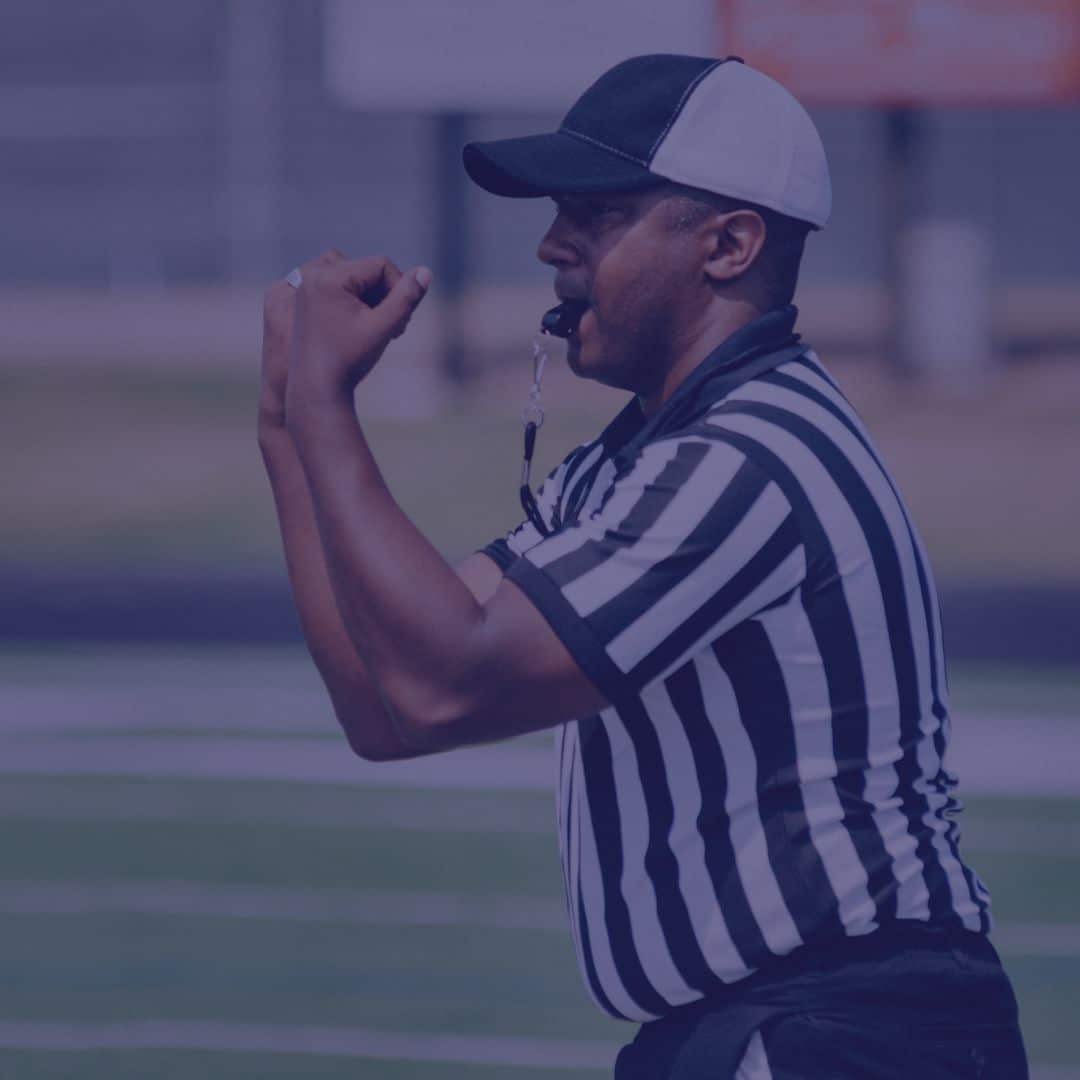
Poor refereeing has always been seen as a part of sports, and always will be. Even with the addition of VAR, even with instant replays, and even with the most advanced technology the World Cup has seen. Soccer still experiences moments of poor officiating, a reminder that referees, like the players they oversee, are human and prone to mistakes.
What separates great competitors from good ones? It isn’t whether or not they get a good whistle, but it’s about what they do in those crucial next 10 seconds after a call doesn’t go their way. This year’s Tournament has already provided a wide range of examples in both directions.
Recent Examples
In Mexico’s World Cup opener against South Africa, referee Wilton Sampaio sent off three players in just one game. This included a red card for South Africa’s Themba Zwane in the 84th minute, which has become a viral meme because the players couldn’t understand the explanation. The decision was upheld after a VAR review, with one former Premier League referee calling it a harsh call for what may not have actually met the threshold for violent conduct.
Another example came after Australia’s 2-0 loss to the United States. Australian head coach Tony Popovic got into a heated battle with the match referees because of their frustration over a goal that initially ruled offside, then after an official VAR review, was given as a goal for the United States. Throughout the match, Australia’s players and coaching staff showed visible signs of frustration through their body language, which suggests that they felt the officiating consistently favored the United States.
And finally, in arguably the tournament’s most watched match so far, came another major controversial decision from an official. Argentina star Lionel Messi was able to escape a yellow card, on a tackle many believed to be a red card, for a studs-up challenge on Algeria’s Aissa Mandi in the first half of Argentina’s opener. Algerian players were furious with the on-field decision, and have since sent a formal complaint to FIFA.
Now What?
Resilience is one of the most coachable mental skills, yet remains far overlooked. Athletes spend hours training their first touch, their conditioning, and their tactical reads. Very few spend any time training their response to adversity, which can have an equally significant impact on performance. Here at White House Sport Psychology, this is exactly the kind of mental skill we help athletes build — the ability to let go of what just happened and stay locked into what’s happening next, regardless of the outcome of the call.
The next time a call doesn’t go your way, try this simple reset:
- PAUSE: Notice your reaction.
- BREATHE: Take one deep breath with a long exhale.
- RESET: Ask yourself, “What’s my job right now?“
- RE-ENGAGE: Shift your focus to the next play.
The goal is not to eliminate frustration, it is to recover faster.