
Understanding What Sport Psychology Is
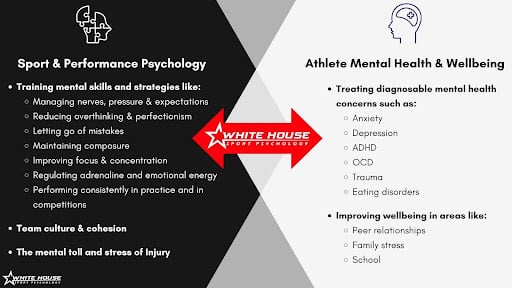
Sport psychology generally works within two primary domains:
- Mental health and well-being in sport
- Mental skills and performance optimization
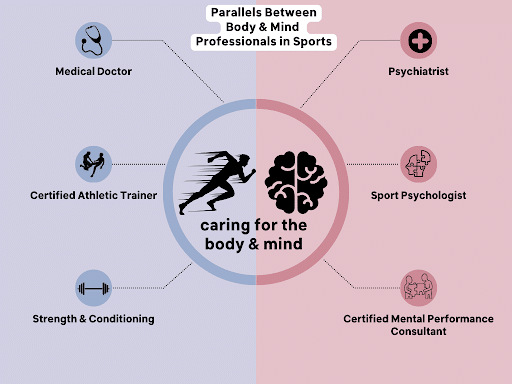
Just as strength and conditioning supports the body and sports medicine protects it, sport psychology supports the mind. It is not limited to therapy, and it is more than motivational coaching. It is a specialized field with its own scope, training, and impact.
An Extension of Existing Support Staff
Sport psychology professionals can be an important extension of both the medical team and the performance staff. On the medical side, they help identify and support athletes who are managing mental health concerns such as stress, anxiety, depression, or burnout in the context of their sport. They can work in tandem with athletic trainers, team physicians, and counselors to create a care plan that considers the athlete as a whole person, not just their physical health.
On the performance side, sport psychology professionals collaborate with strength and conditioning coaches, sport coaches, and performance specialists to build mental skills that enhance competitive readiness. This may include techniques such as focus and attentional control, managing pre-competition nerves, developing resilience, and improving communication and confidence under pressure.
When these roles are well-integrated, athletes receive consistent messaging and coordinated care. Instead of seeing physical performance, injury recovery, and mental preparation as separate elements, everything connects to form a more complete picture of athlete support.
Building a Team That Matches the Mission
No single person can cover every aspect of mental health and mental performance effectively. Just as athletic departments rely on specialized professionals for strength and conditioning, sports medicine, nutrition, and recovery, mental performance services benefit from a team-based structure as well.
A well-rounded structure often includes:
- Professionals focused on mental health in sport, such as licensed mental health providers who understand the unique culture and demands of competitive athletics. Their role centers on supporting emotional well-being, managing stress, and addressing clinical concerns when needed.
- Specialists in mental performance and mindset training, such as mental performance consultants or sport psychology professionals who focus on skills like goal setting, focus, confidence, motivation, and competitive mindset.
When both types of expertise are present, athletes can access the right kind of support at the right time. This approach also reduces the pressure on one individual to fill every role, leading to better quality care and fewer gaps in support.
Establishing Clear Lines of Communication
Even with skilled professionals in place, sport psychology services are only as effective as the structure that supports them. Clear communication pathways help ensure athletes are referred appropriately, staff know who to contact for specific needs, and services are coordinated rather than fragmented.
Many programs find it helpful to coordinate these services through the medical department, which already manages injury reports, rehabilitation, and return-to-play decisions. This structure allows for alignment between mental health, physical health, and performance considerations, creating a seamless support system.
Establishing clear roles also helps build trust and clarity. Coaches know where to direct an athlete in need, athletes know what to expect from different services, and providers have a defined process for collaboration. The result is a culture where mental performance and mental health are valued, accessible, and woven into the fabric of the program.
Do’s and Don’ts for Integrating Sport Psychology
Do:
- Build a team of specialized professionals instead of relying on one individual.
- Integrate mental performance staff with existing medical and performance teams.
- Create a clear reporting structure through the medical department.
- Recognize sport psychology as both a mental health and performance resource.
- Prioritize providers with specialized sport training and experience.
- Allow athletes privacy and dignity as you would with medical concerns.
Don’t:
- Rely on general clinicians without sport-specific expertise.
- Treat sport psychology as an extra or optional service.
- Isolate mental performance from strength and conditioning or medical departments.
- Expect one provider to address both mental health and performance equally.
- Overlook the cultural context of sport when selecting support staff.
Final Thought
Integrating sport psychology into an athletic program creates a more supportive and sustainable environment for athletes, coaches, and staff. When mental performance and mental health are treated with the same care as physical health, athletes are more likely to reach their potential and maintain their well-being throughout their careers.
This is not about replacing what already exists but enhancing it. Thoughtful integration allows mental support to become a natural part of the athletic experience rather than an afterthought.